
Kawai MP Series

1 pcs. Kawai Button Duo large 14 x 8 mmKawai MP-8Kawai MP-11Do you know this: the button you activate don't react. This processs starts slowly and in the beginning do don't recognice it. Later you start to activate the buttons harder and harder. Then, one day the button will broke. The reason for this is a worn out tact switch under the user button. When you replace the tact switch all will be fine in future.Technical Description of Kawai Button:This Button fits for many Kawai Stage Pianos and is build for a Casing Window of 14 x 8 mm. This part has two Button. It is used with 5 mm tact switch.Practical tip:This button sits between PCB and Cassis. Normaly the button is fixed with tape.

1 pcs. Kawai Button Duo Small 11 x 8 mmKawai ES-7Kawai MP-8Kawai MP-11Do you know this: the button you activate don't react. This processs starts slowly and in the beginning do don't recognice it. Later you start to activate the buttons harder and harder. Then, one day the button will broke. The reason for this is a worn out tact switch under the user button. When you replace the tact switch all will be fine in future.Technical Description of Kawai Button:This Button fits for many Kawai Stage Pianos and is build for a Casing Window of 11 x 8 mm. This part has two Button. It is used with 5 mm tact switch.Practical tip:This button sits between PCB and Cassis. Normaly the button is fixed with tape.

1 pcs. Kawai Ring for Round KnobKawai ES-7Kawai MP-8Kawai MP-11 Technical Description of Kawai Knob:This ring for Round Knob is placed on the axis of the rotary potentiometer and pressed into the housing. The ring centers the axis of the rotary potentiometer in your Kawai Stage Piano.

1 pcs. Service Kit Kawai WK88 PWB Assy KKB-008This service kit replaces the circuit boards and contact rubbers in the Kawai WK88 keyboard. Only possible as a replacement for keyboards in which contact rubbers with three contacts per tone were used.This set of boards replaces the board KKB-008.The set consists of two boards, fully equipped with new contact rubbers.These Board fit in these e-pianos:Kawai CA13Kawai CA63Kawai PW9Kawai PW1000

1 pcs. Kawai Rotary Potentiometer for pitch bendThis poti is used in
1 pcs. Kawai Pitch Bend Assembly for MP series Complete assembly for pitch bend in the Kawai MP series. This assembly fits models from MP7 onwards. A different assembly was used in older models, MP6 and earlier. Individual parts from this assembly will certainly also fit in the older pitch bend assemblies.


1 pcs. Kawai Value Slider 30mm Travel The slider is firmly soldered to a circuit board. For replacing the button craftsmanship and experience in soldering is required.
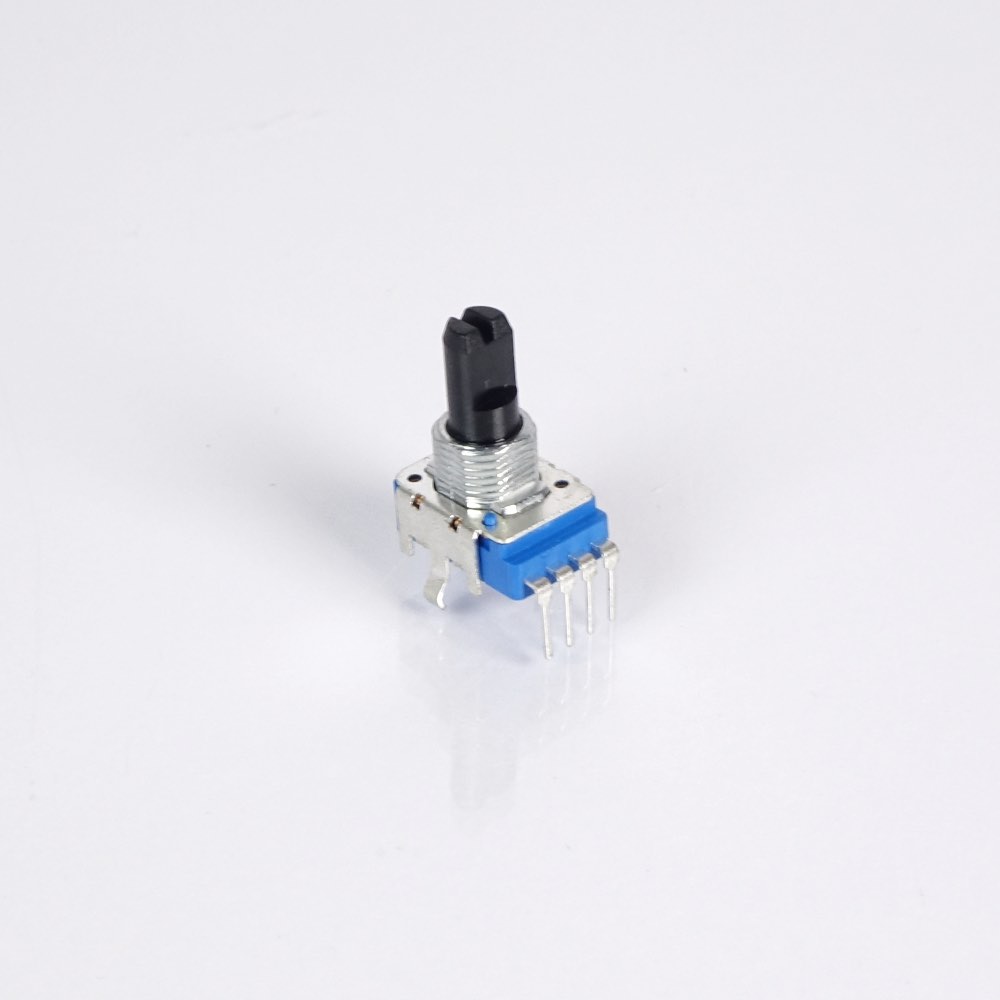
1 pcs. Kawai Rotary Poti vertikal Real Time Control Electrical properties:The nominal resistance is 10 kOhm. The original potentiometer from Kawai has a resistance value of 20 kOhm. Since this potentiometer is used as a voltage divider, the resistance value is not decisive.Appearance (technical characterisation):The casing measures 11 x 11 mm, the total length without pins is 25 mm. In this total length the casing is 7,5 mm long. On this casing is the thread with 5 mm length connected and out of the thread the axis rises with 10 mm length. The axis has a diameter of 6 mm and is flattened on a length of 12 mm. It is made of black plastic. Its head has a slot and ends in corner radius. The thread, which surrounds the axis, has the screw measure M9 x 0,75 mm.The four solder contact pins are 0,8 mm wide (one of them) and they are arranged in a raster in a distance of 2,5 mm. The bented pins, which are sticking out to the front, are necessary for the electrical function, in which the fourth pin has no electrical function.In the back range of the casing the metallic edge-socket connector is mounted. The connector will be fixed at the printed circuit board by pressing in the snap in pin. Between the two snap in holdings the distance is 13 mm. The holders latch in the board and fix the potentiometer mechanically.Useful hint:The potentiometer is soldered on the circuit board. You should have mechanical skills and experience in soldering to replace it.